Granite Countertops
Granite is a dense natural stone that handles heat and daily wear well. Every slab is different: pick yours from our inventory, and our own fabricators cut and install it.
Or call (540) 305-0431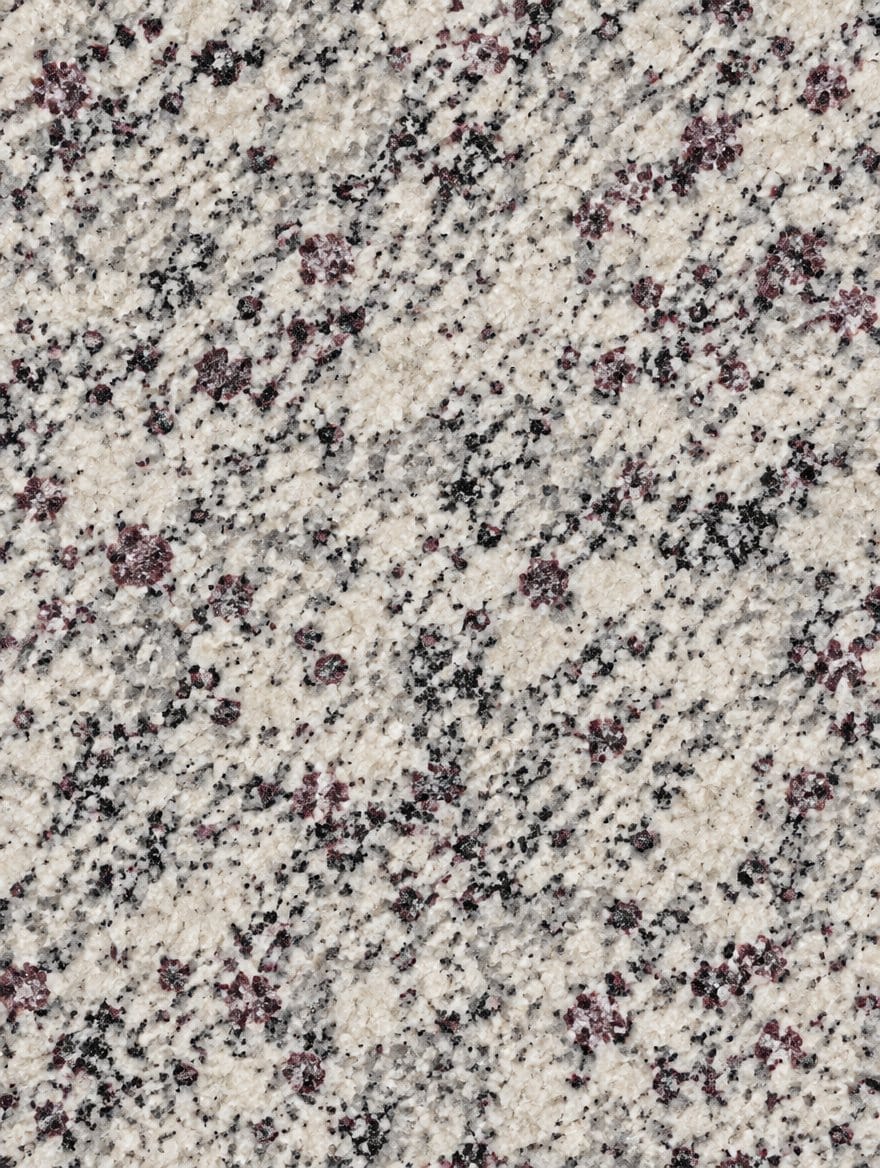
Granite slabs
Our granite slabs change often and aren’t listed online yet — ask us what’s in the yard.
Granite at a glance
- Natural igneous stone, so every slab is different
- Tolerates heat well; trivets are still recommended
- Hard surface that resists everyday scratches
- Needs periodic sealing; how often depends on the stone
- UV stable, so it works in outdoor kitchens too
What granite is
Granite is an igneous rock that formed as molten rock cooled slowly deep underground. That slow cooling grew interlocking crystals of feldspar, quartz, mica and other minerals, which gives granite its grain and its strength. In the countertop trade, "granite" also covers a few related stones that look and perform much the same way.
Look and range
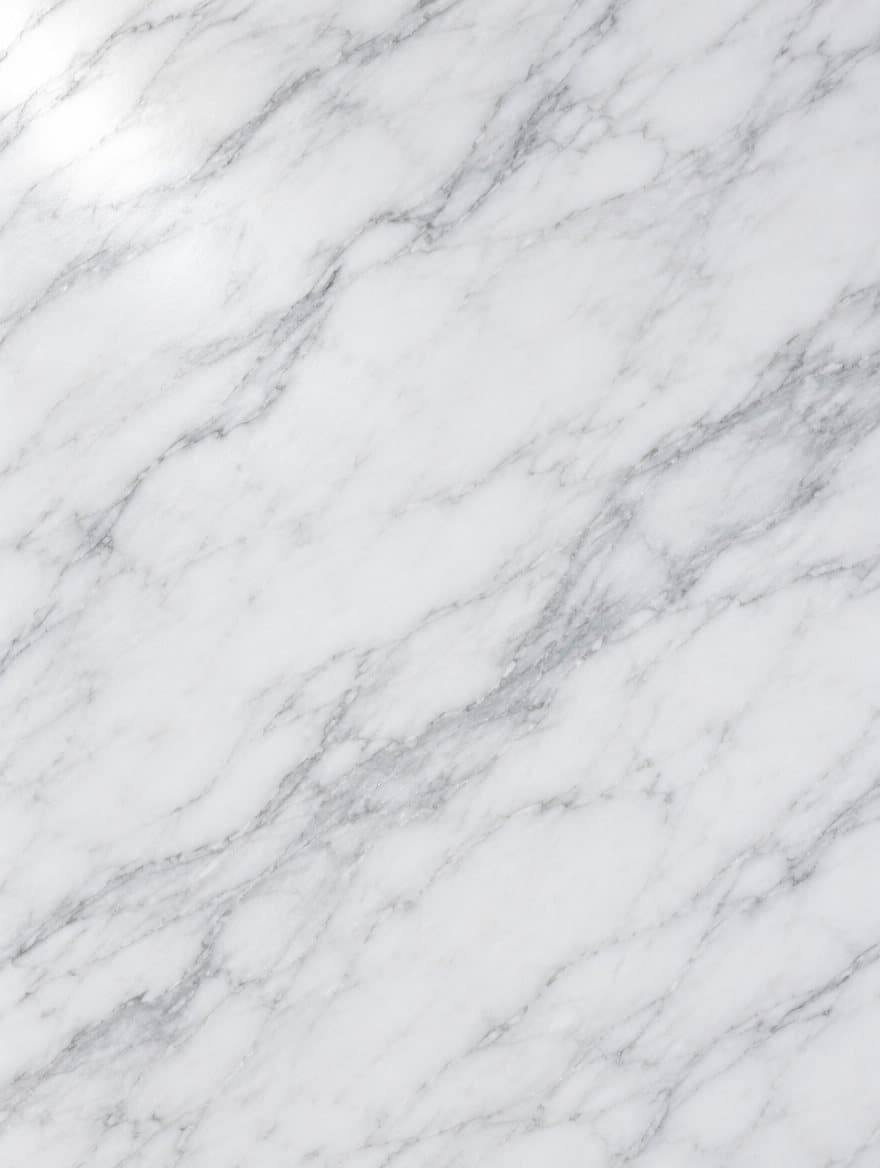
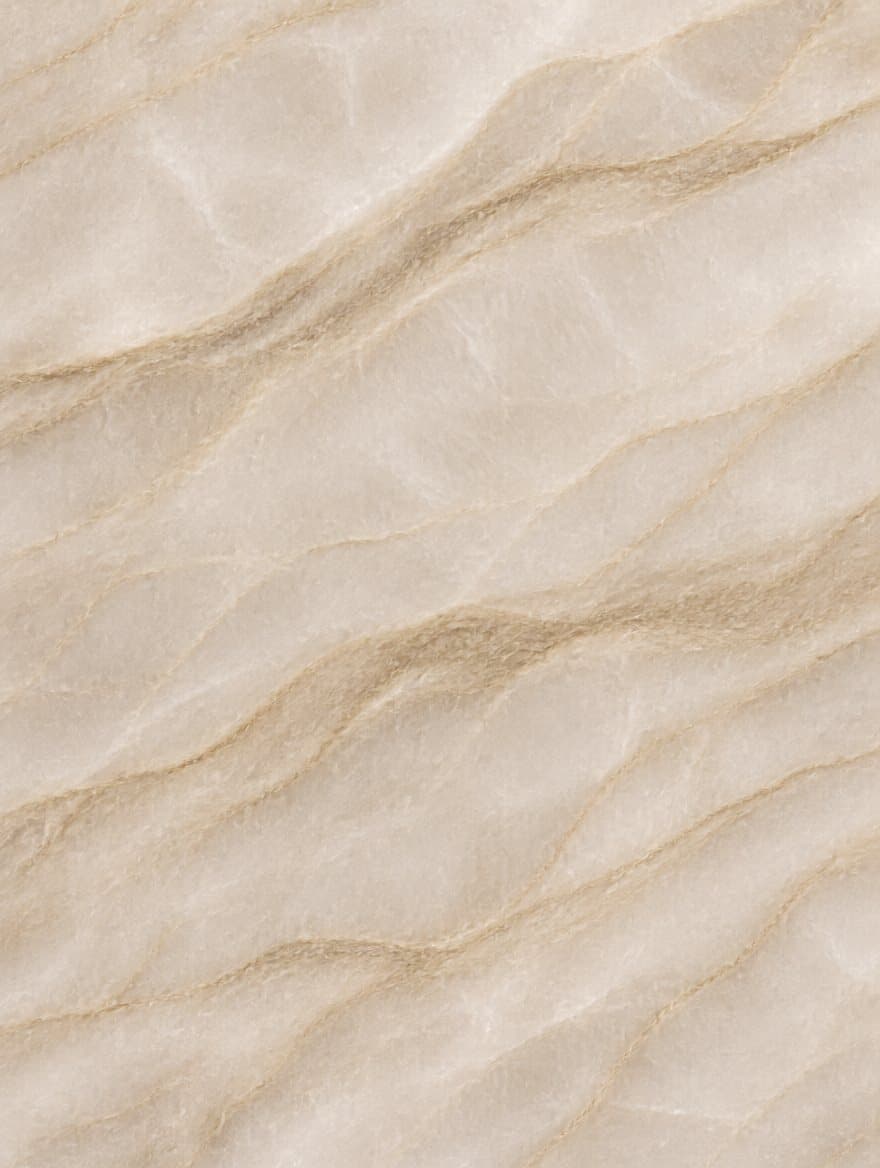
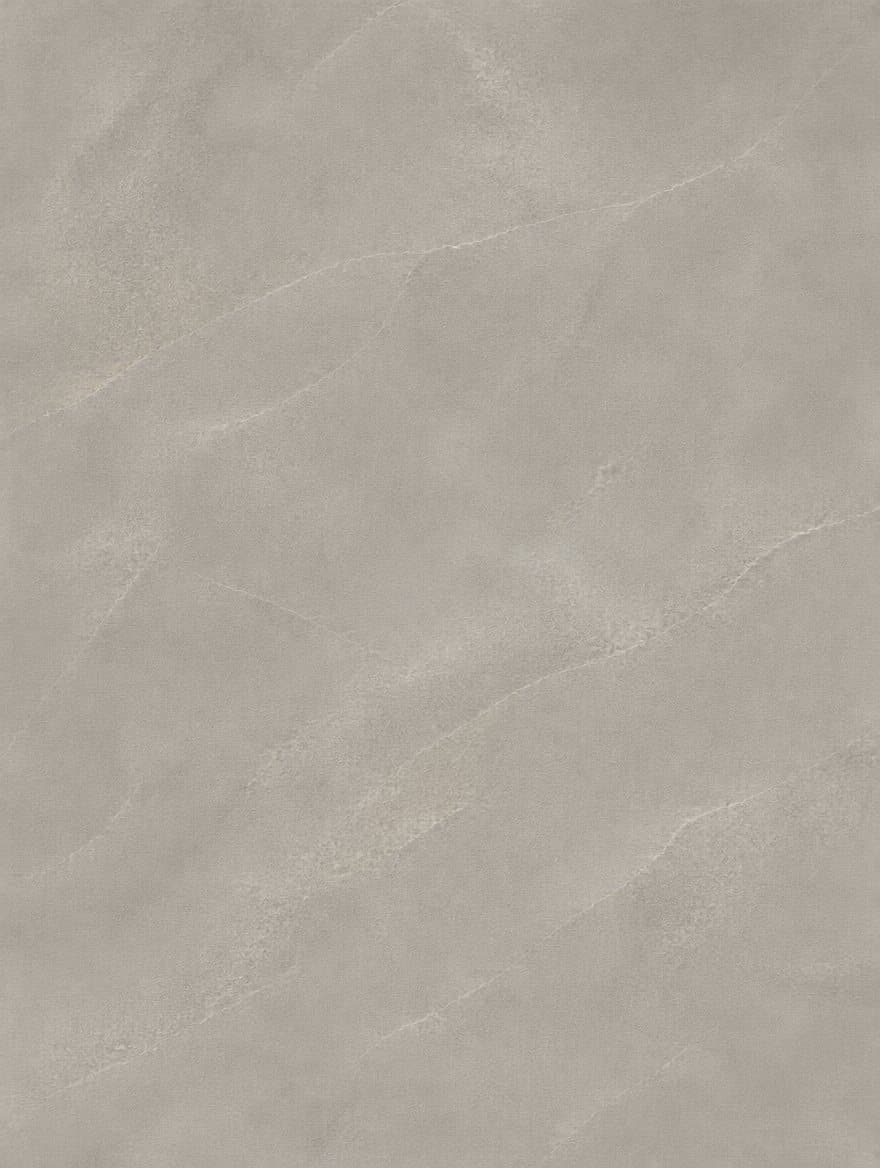
Granite runs from fine, even speckles to large crystals and sweeping movement. Colors cover white and cream through gold, brown, green, blue and black. As a general rule, many darker granites are denser and absorb less than lighter ones, though there are exceptions both ways.
Common finishes:
- Polished: the classic glossy look, which brings out depth and color.
- Honed: matte, with softer, more muted color.
- Leathered: textured with a slight sheen, and good at hiding fingerprints and water spots.
How granite performs
- Heat: granite handles hot cookware better than resin-based surfaces. Still use trivets; sudden, concentrated heat can stress stone and wear the sealer.
- Scratches: hard enough to resist everyday knife and pot wear. It will dull knives, so cut on a board.
- Stains: granite is porous to a degree that varies by stone. Sealed, it resists most spills; unsealed, oil can leave dark spots.
- Acids: most granites are not bothered by kitchen acids the way marble is, but wipe up citrus, vinegar and wine anyway to protect the sealer and the polish.
- Natural character: small pits and fine fissures are part of the stone, not cracks. Edges can chip under a hard knock, and small chips can often be filled.
Care and maintenance
Daily care is warm water with mild soap or a pH-neutral stone cleaner. Avoid vinegar, bleach and abrasive pads, which wear down the sealer over time.
Sealing frequency depends on the stone. A common guideline is about once a year, but the water test is the better guide: leave a few drops on the surface, and if the stone darkens within a few minutes, it is time to reseal. Some dense granites barely absorb at all; lighter, more porous ones may need sealing more often.
Where granite works best
Granite suits kitchens where people cook a lot, islands that see heavy use, bars and laundry rooms. Because it is UV stable, it is also one of the most common choices for outdoor kitchens and grill counters. Outdoors, a dense, well-sealed granite handles summer sun, rain and winter freezes best.
If you want a very consistent color or no sealing at all, quartz is the low-maintenance option. If you want a marble look with similar toughness, compare quartzite. For thin, modern profiles outdoors, porcelain is another option.
Choosing your granite slab with us
A photo cannot show granite's crystal size, its depth, or how the color shifts in daylight. Start in the slab explorer filtered to granite, then see the full slab before it is cut, so you know where the movement runs and where seams and the sink will fall.
After you approve the slab, our own fabricators template your cabinets, cut the slab in our shop and install it, so the slab you approved is the slab that goes in. Request a countertop estimate or book a showroom visit in Tysons, Manassas or Front Royal.
Granite countertop questions
Something we did not cover? Call (540) 305-0431 or send us the details.
How often should granite countertops be sealed?
It depends on the stone. A common rule of thumb is about once a year, but the water test is more reliable: leave a few drops on the surface for a few minutes, and if the stone darkens, it is absorbing and needs a fresh coat. Some dense, dark granites rarely need sealing, while lighter, more porous ones may need it more often.
Can I put hot pans on granite?
Granite handles heat far better than resin-based surfaces, and a hot pot set down briefly is unlikely to harm it. We still recommend trivets. Sudden, concentrated heat can stress any natural stone, especially near seams and sink cutouts, and repeated heat can wear the sealer. Trivets are cheap insurance for a countertop you plan to keep for decades.
Granite or quartz: which is better for a kitchen?
Both are solid kitchen surfaces with different strengths. Granite is natural stone with one-of-a-kind patterns, handles heat well and works outdoors, but it needs periodic sealing. Quartz is engineered, consistent in color and never needs sealing, but its resin is sensitive to hot pans and strong sun. The right pick usually comes down to the look you want and how you cook.
Are pits and fissures in granite defects?
Usually not. Granite is made of interlocking crystals, and small pits where crystals meet, along with fine natural fissures, are part of the stone's character. A fissure is a natural seam in the crystal structure that you can see but generally cannot feel; a crack is a break through the slab. Seeing the full slab before it is cut lets you judge this for yourself.
What affects the cost of granite countertops?
The stone itself is the biggest variable: common colors cost less than rare or exotic ones. Then come the size and shape of your layout and how many slabs it needs, thickness, the edge profile, the number of cutouts for sinks and cooktops, and extras like a full-height backsplash or a waterfall end. Removing old tops adds to the job too.
Can granite be used for an outdoor kitchen?
Yes. Granite is one of the most common outdoor countertop materials because it is UV stable and handles heat from grills. For outdoor use, choose a dense stone, keep it sealed, and consider a honed or leathered finish, which shows less glare and wear in full sun than a polished one. Freeze-thaw cycles make solid support and good drainage important.