Quartz Countertops
Engineered quartz with consistent color, no sealing and easy daily care. Pick your slab from our inventory, and our own fabricators template, cut and install it.
Or call (540) 305-0431
Quartz slabs
Our quartz slabs change often and aren’t listed online yet — ask us what’s in the yard.
Quartz at a glance
- Engineered surface made mostly of ground quartz bound with resin
- Non-porous, so it never needs sealing
- Consistent color and pattern from sample to slab
- Resists stains and everyday scratches; hot pans need a trivet
- Made for indoor use, since strong sun can discolor the resin
What quartz countertops are
Quartz countertops are engineered slabs, not quarried stone. Manufacturers blend mostly ground natural quartz with resin binders and pigments, press the mix into slabs and cure it. The result is a hard, non-porous surface whose color and pattern are set at the factory.
The name causes a lot of confusion. Quartzite is a natural rock with different strengths and care needs. If you are weighing the two, our quartzite countertops page covers the stone side.
Look and range
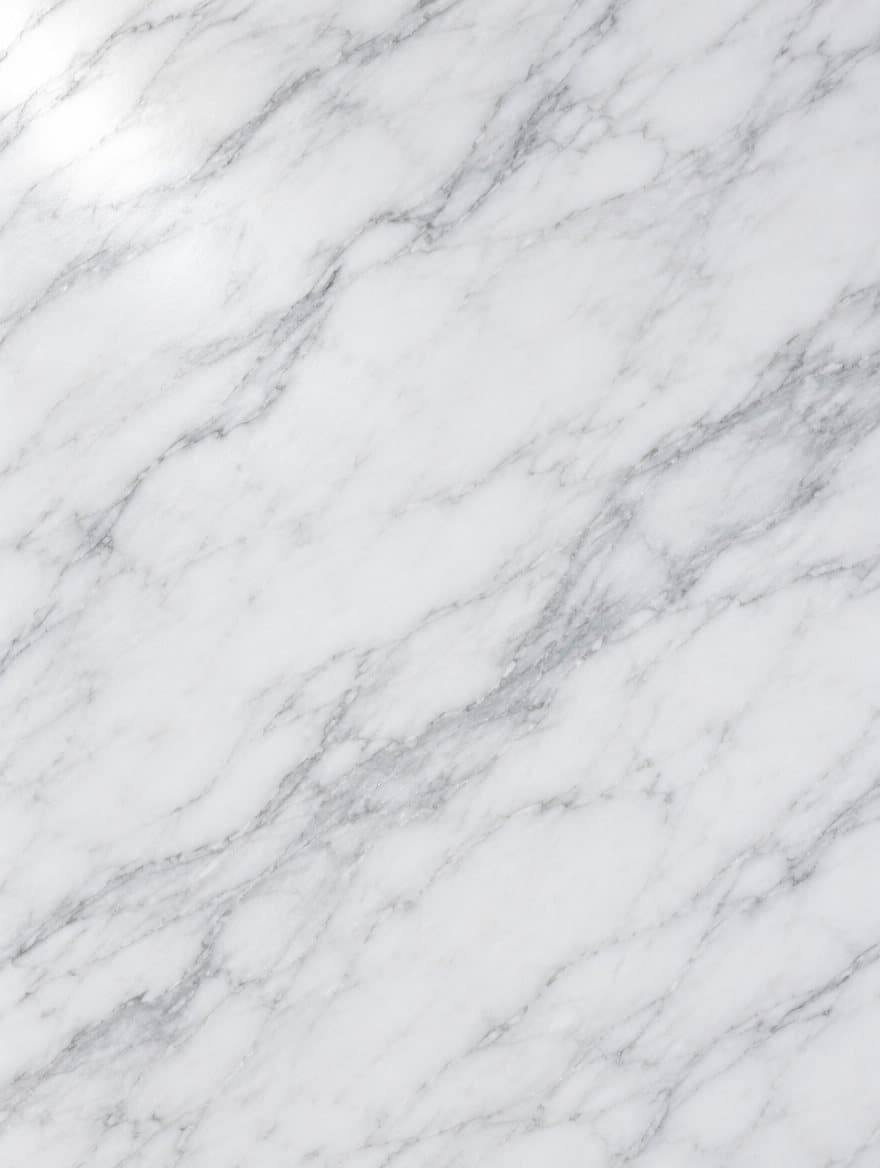
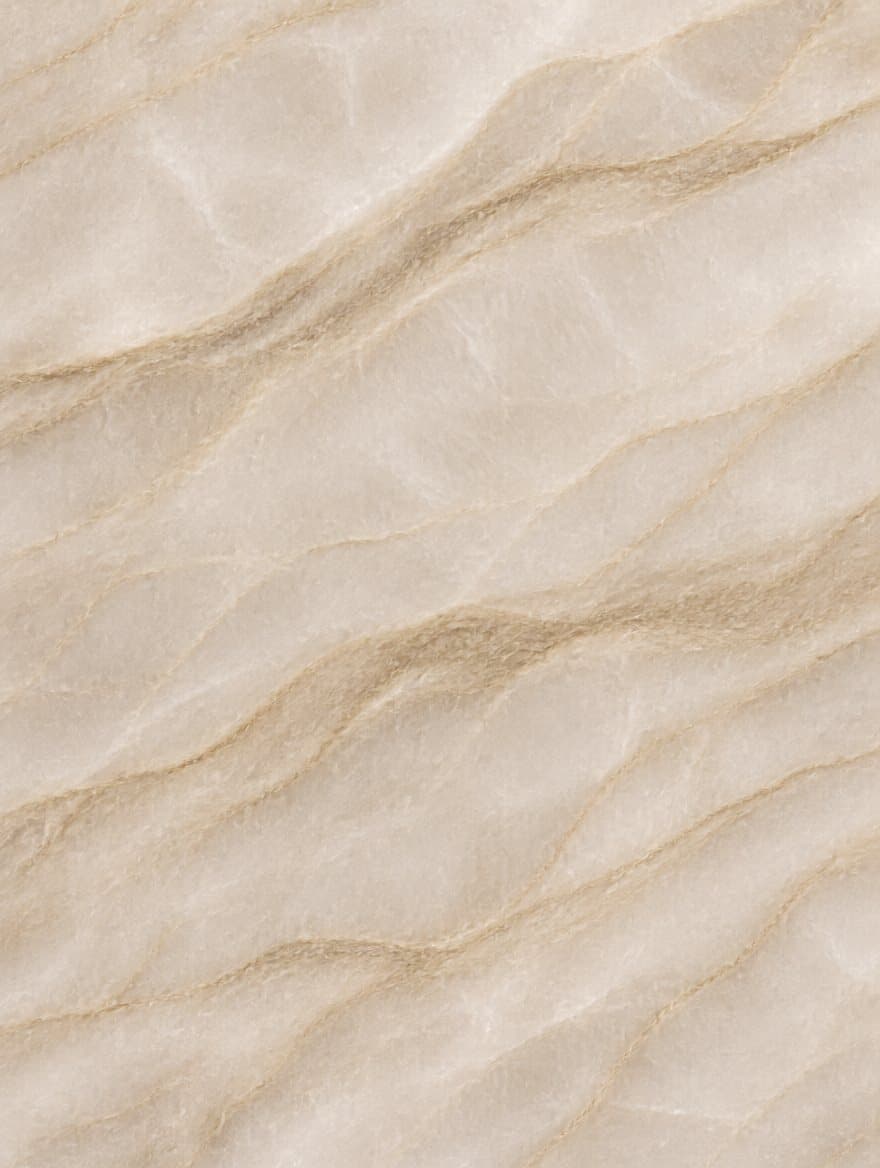
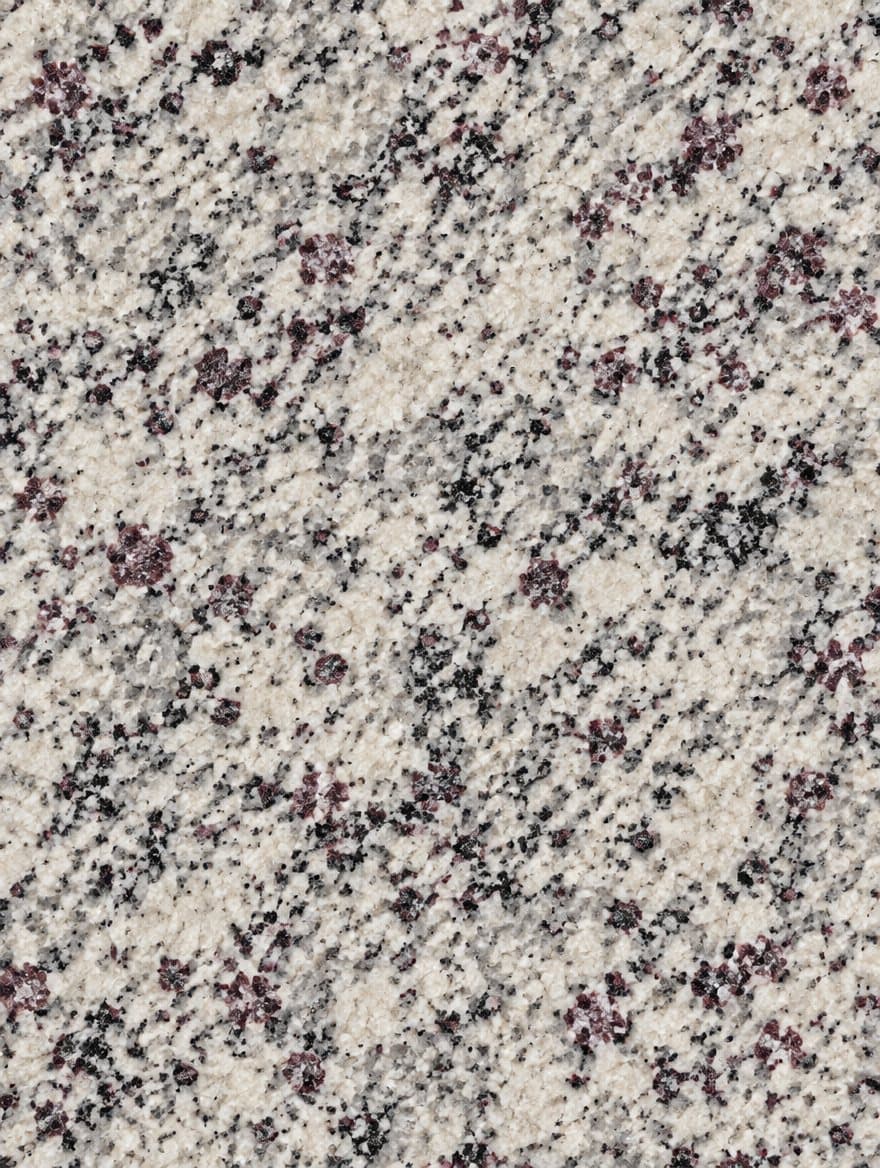
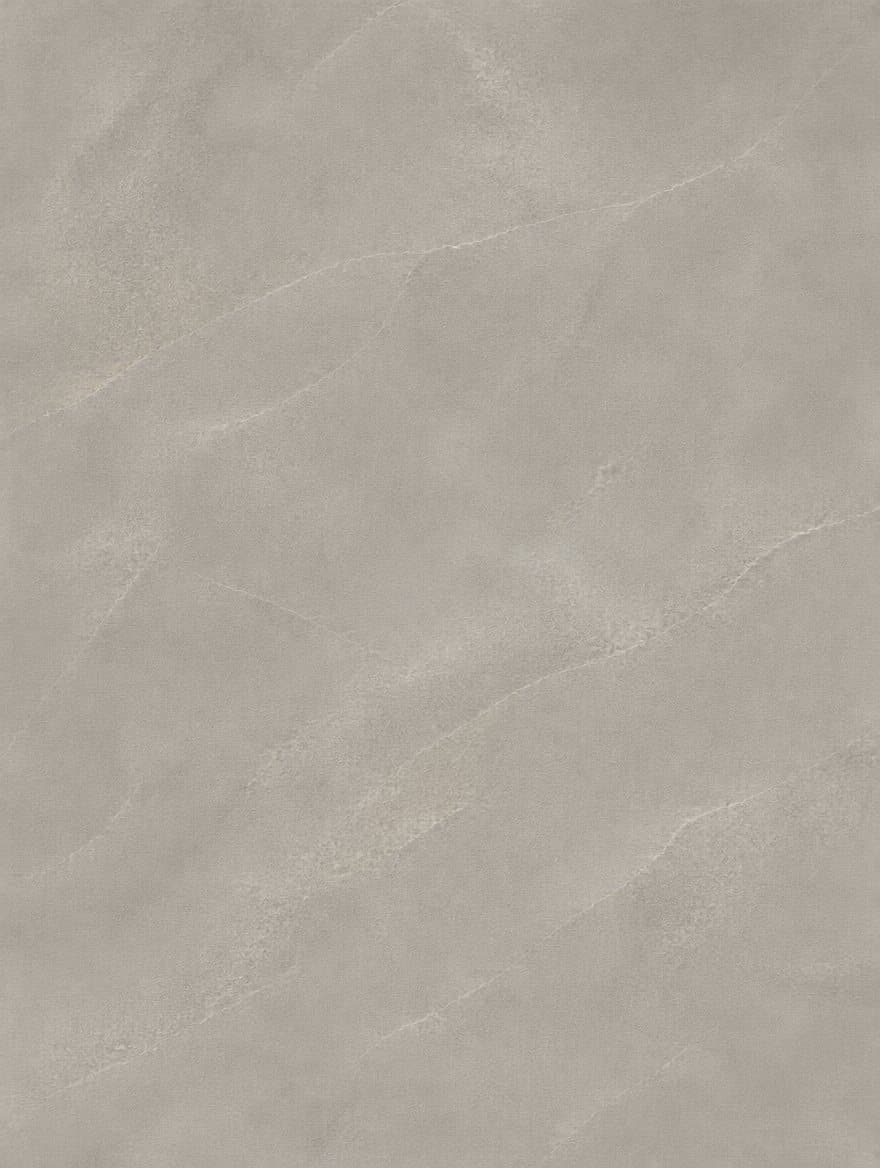
Because the pattern is designed rather than found, quartz covers a wide range: solid whites and grays, fine speckles, concrete-style surfaces and marble-look veining. Most lines come in a polished finish, and many also offer matte or textured versions, sold under different names depending on the maker.
Consistency is the main draw. A quartz sample predicts the finished top far better than a stone sample does, which helps in large kitchens that need more than one slab. Veined designs are the exception to watch: the veins still land differently on each slab, so it pays to review how they will run across an island and where seams fall.
How quartz performs
- Stains: the surface is non-porous, so coffee, wine and oil wipe up, and the top never needs sealing.
- Scratches: quartz resists everyday scratches well. Cut on a board anyway; it protects the surface and your knives.
- Heat: this is the weak point. The resin can scorch or discolor under a pan taken straight from the stove or oven, and sudden heat can crack a slab. Use trivets every time.
- Chemicals: oven cleaner, paint strippers and strong alkaline cleaners can damage the resin. Keep them off the top.
- Sunlight: UV light can fade or yellow the resin over time. Most standard quartz lines are made for indoor use only.
Care and maintenance
Daily cleaning is warm water, a little dish soap and a soft cloth. For dried-on spills, use a non-abrasive cleaner and a plastic scraper rather than a scouring pad. There is nothing to seal and nothing to polish.
Each manufacturer publishes its own care guide for its surfaces. Keep the one for your brand with your house paperwork; it lists the cleaners that brand approves.
Where quartz works best
Quartz suits kitchens that get hard daily use: family islands, prep zones next to the sink, coffee and baking stations. It is also a practical choice for bathroom vanity tops, laundry rooms and wet bars, where low upkeep matters more than one-of-a-kind character.
It is a weaker fit outdoors and in spots that get hours of direct sun. For an outdoor kitchen, look at granite or porcelain. If you want real stone with a marble look, marble and quartzite are the natural alternatives, each with its own trade-offs.
Choosing your quartz slab with us
Start in the slab explorer filtered to quartz to narrow down color and brand. Then see the full slab before it is cut, especially for veined designs, where a sample chip cannot show how the pattern moves across the whole piece.
Once you approve a slab, our own fabricators template your cabinets, cut the slab in our shop and install it. No subcontractor sits between the slab you chose and the top that goes in. When you are ready, request a countertop estimate or book a showroom visit in Tysons, Manassas or Front Royal.
Quartz countertop questions
Something we did not cover? Call (540) 305-0431 or send us the details.
Is quartz the same as quartzite?
No. Quartz countertops are engineered: mostly ground quartz bound with resin and pigments, made in a factory. Quartzite is a natural stone formed when sandstone is changed by heat and pressure. Quartz is non-porous and consistent in color. Quartzite has one-of-a-kind veining, handles heat and sun better, and needs periodic sealing. Both are hard and resist everyday scratches.
Do quartz countertops need to be sealed?
No. Quartz is non-porous, so liquids sit on the surface instead of soaking in, and there is no sealer to apply or renew. Wipe spills with warm water and mild soap. Avoid harsh chemicals such as oven cleaner, paint strippers and strong alkaline cleaners, which can damage the resin that binds the quartz.
Can I put a hot pan on quartz?
It is best not to. The resin in quartz can scorch or discolor under a pan taken straight from the stove or oven, and a sudden temperature change can crack the slab. Use trivets or hot pads every time, including under slow cookers and electric griddles, which put out steady heat for hours.
Can quartz countertops be used outdoors?
Most standard quartz lines are made for indoor use only. Ultraviolet light can fade or yellow the resin over time, and outdoor heat and freeze cycles add stress. For an outdoor kitchen or a counter in full sun, granite and porcelain are better choices. If you have a specific quartz line in mind, check that manufacturer's guidance on outdoor use.
What affects the cost of quartz countertops?
The main drivers are the brand and design (veined, marble-look designs often cost more than solids), slab thickness, how many slabs your layout needs, the edge profile, cutouts for sinks and cooktops, and extras such as a mitered waterfall end or a full-height backsplash. Removing old tops adds to the job. Because these vary so much, a quote built from your actual layout is the only reliable number.
Will my quartz countertop match the sample?
More closely than natural stone does. Solid and speckled quartz designs are very consistent from sample to slab. Veined designs are less predictable: the pattern keeps its character, but where the veins fall changes from slab to slab. For a veined quartz, look at a full slab and review how the veining will run across your island and around seams before it is cut.