Porcelain Slab Countertops
Thin, large-format porcelain slabs that resist heat, stains and sun. They need careful cutting, and our own fabricators template, cut and install them in-house.
Or call (540) 305-0431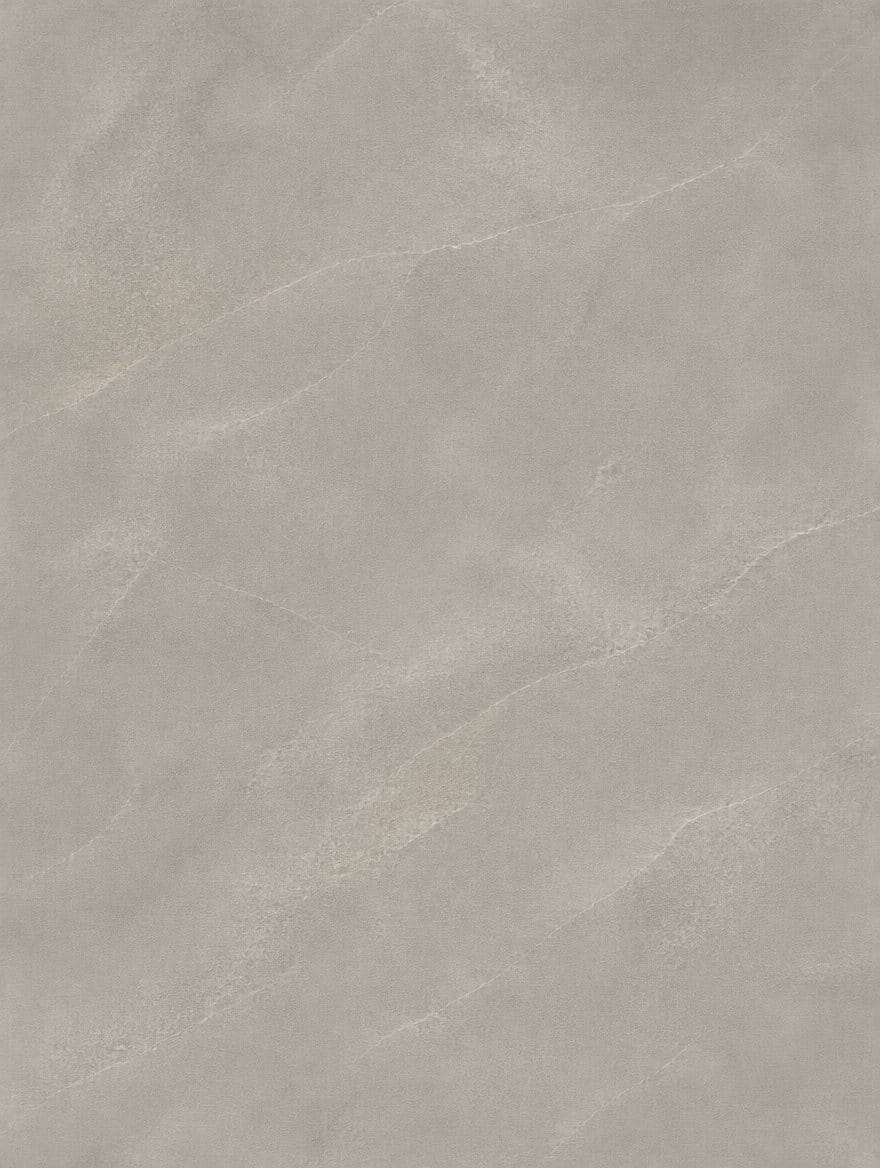
Porcelain slabs
Our porcelain slabs change often and aren’t listed online yet — ask us what’s in the yard.
Porcelain at a glance
- Clay and minerals fired at very high temperatures, with no resin
- Very low porosity, so it never needs sealing
- Resists heat, stains and UV, so it suits outdoor kitchens
- Thin profile; edges are usually mitered for a thicker look
- Edges can chip, and repairs are hard to hide
What porcelain countertops are
Porcelain slabs are made from refined clays, feldspar and other minerals, pressed into large, thin sheets and fired at very high temperatures. The firing fuses the material into a dense surface that absorbs almost no water. Sintered or "ultracompact" surfaces are close relatives made in a similar way.
On most porcelain slabs, the pattern, whether marble veining, concrete or stone, is printed onto the surface. Some lines carry color or veining through the body of the slab. That difference matters at edges and sink cutouts, where the inside of the slab shows.
Look and range
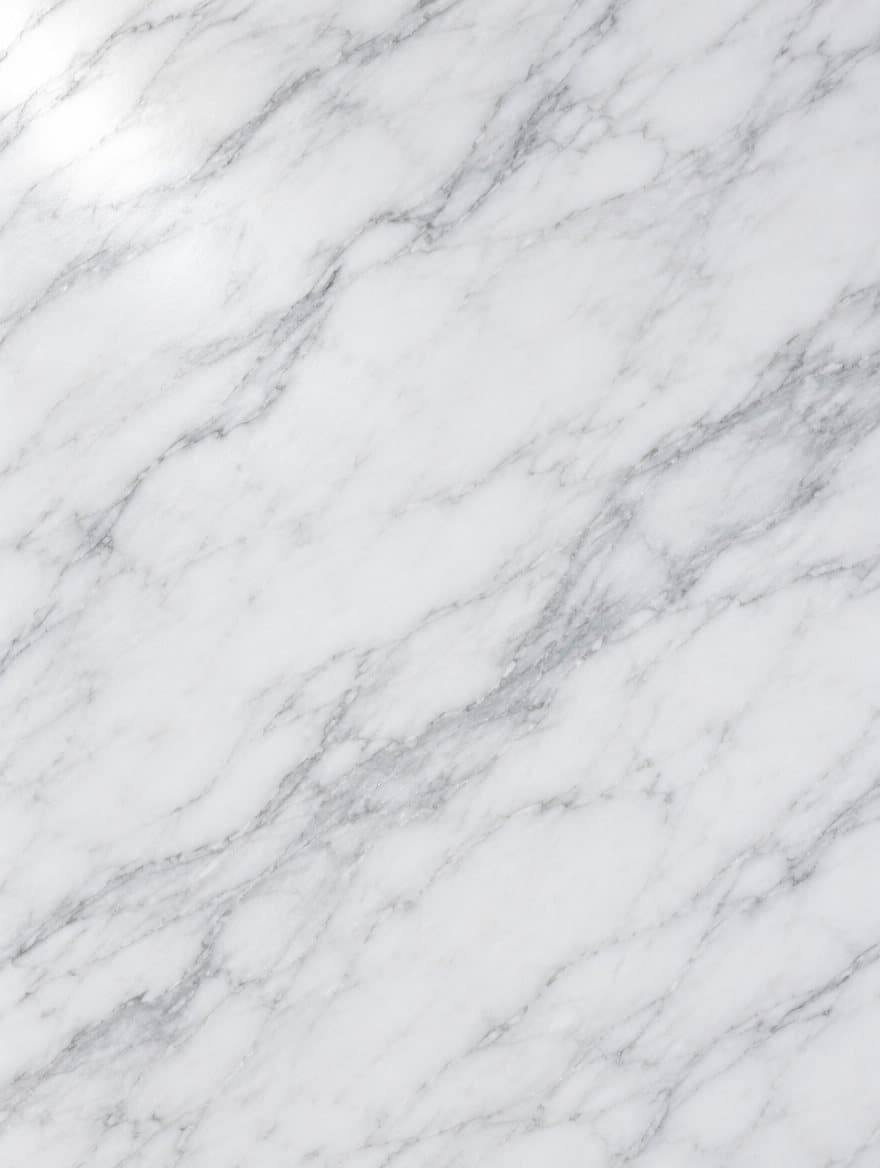
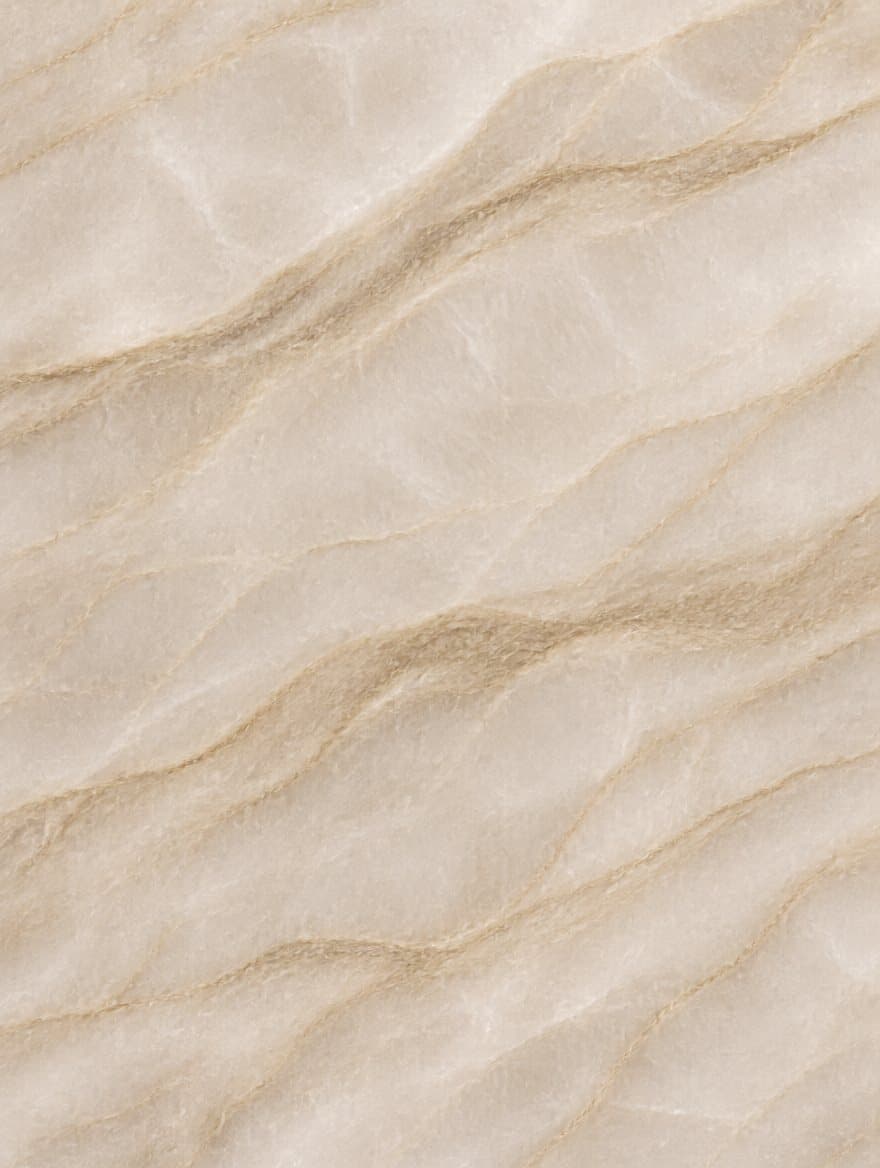
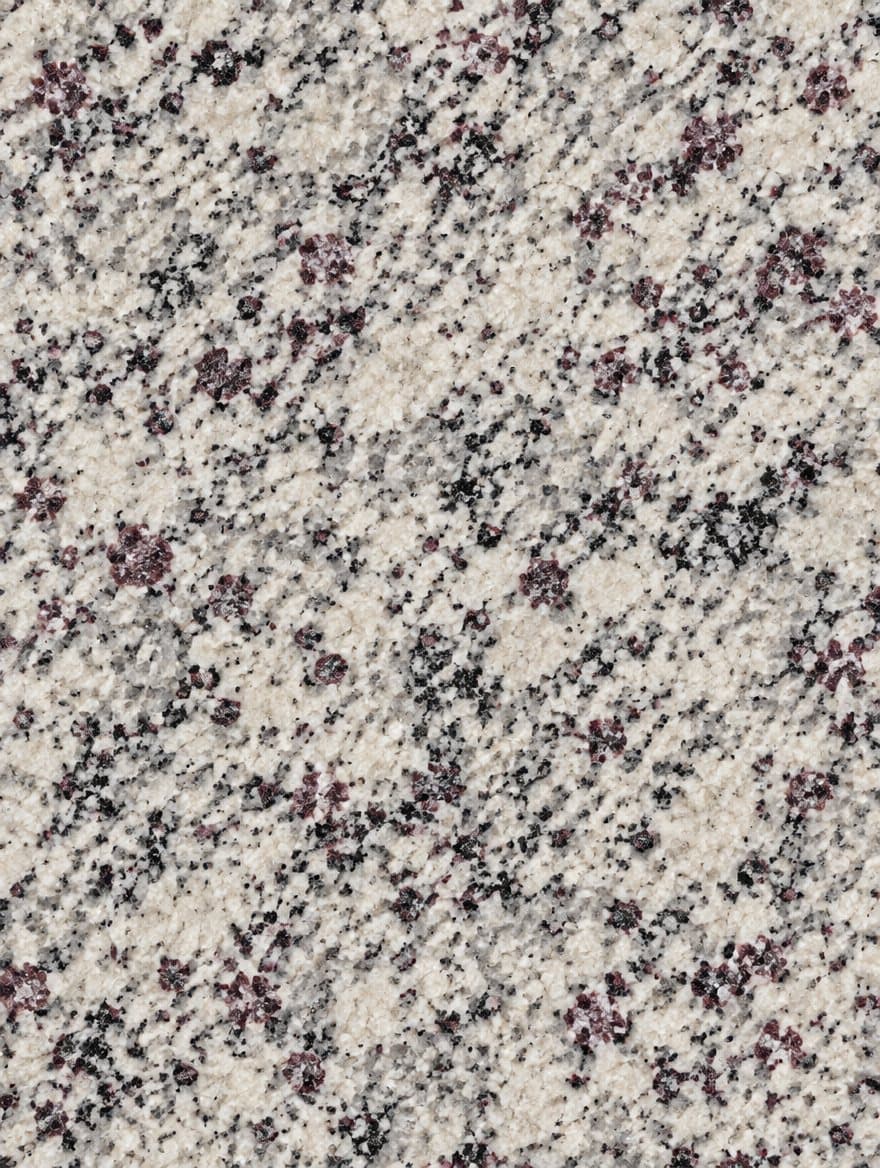
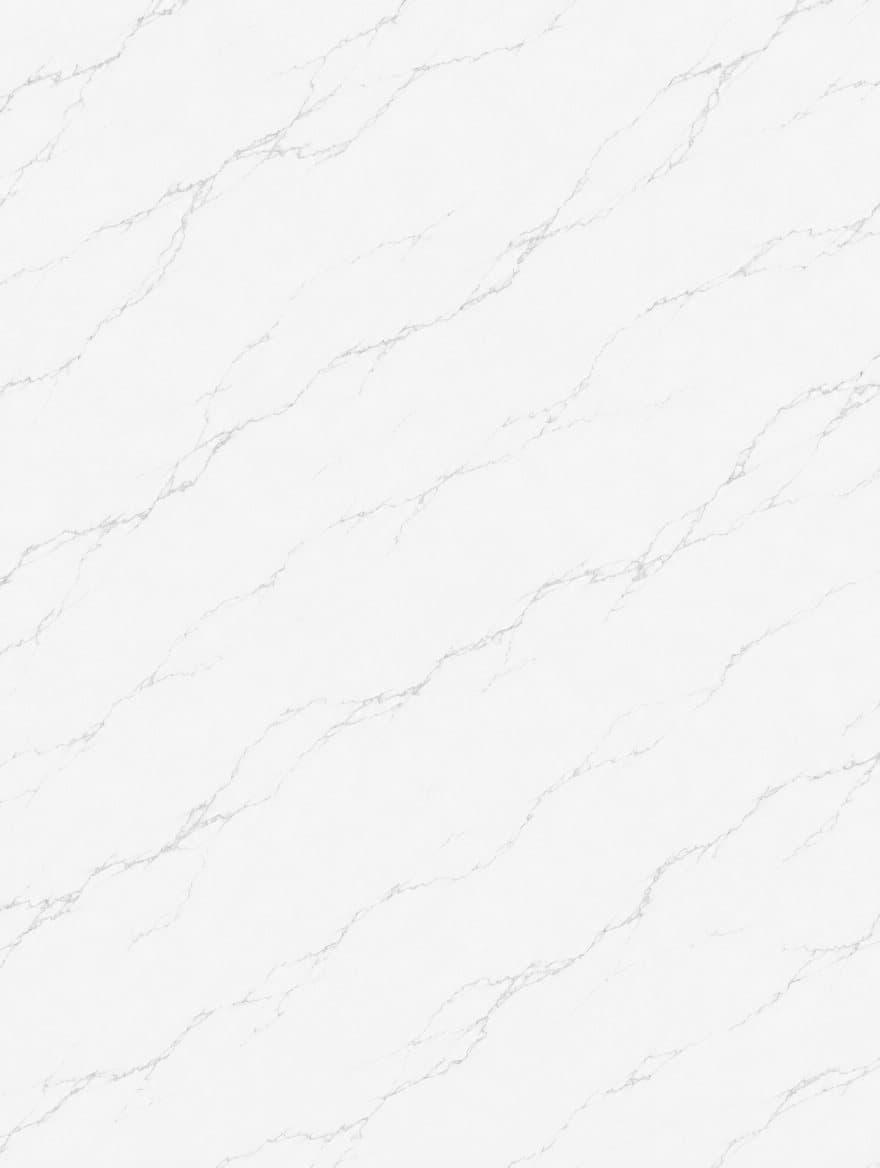
Porcelain covers marble looks, concrete and limestone looks, and solid colors, in matte, polished and textured finishes. The slabs are large, which can mean fewer seams on long runs and makes porcelain a strong choice for full-height backsplashes that match the countertop.
Countertop slabs are thin, often around 12 mm, or about half an inch. That gives a slim, modern profile. For a thicker look, the edge is usually mitered: a strip of the same slab is cut at an angle and joined so the pattern wraps around the edge.
How porcelain performs
- Heat: porcelain is fired at temperatures far beyond anything in a kitchen, so hot pans will not scorch it the way they can scorch quartz resin. Trivets are still wise, because sudden, concentrated heat can crack any slab.
- Stains and sealing: with very low porosity, porcelain shrugs off coffee, wine and oil and never needs sealing.
- Scratches: the surface is very hard. Matte finishes can pick up gray metal marks from pans, which usually clean off.
- Chipping: this is the main trade-off. Porcelain is hard but brittle at edges and corners. A heavy pot dropped on an edge can chip it, and repairs are hard to hide on a printed pattern.
- Sunlight and weather: porcelain is UV stable, so colors do not fade, and many lines are rated for outdoor use. Check the specific line for freeze-thaw suitability.
Care and maintenance
Wipe with warm water and mild soap or a non-abrasive cleaner. There is nothing to seal. Use a cutting board, since porcelain will dull your knives. Treat the edges with some care, and avoid putting heavy loads on overhangs.
Where porcelain works best
Porcelain fits outdoor kitchens, sunny rooms, modern kitchens that want a thin profile, full-height backsplashes and wall cladding, fireplace surrounds and vanity tops.
It is a weaker fit if you want a thick, sculpted edge such as an ogee, because a printed slab cannot be routed into a decorative profile, or in kitchens where an edge chip would be a real worry. For a forgiving natural stone outdoors, compare granite. For an indoor engineered surface that is thicker and simpler to fabricate, compare quartz. If you are after a real marble look in natural stone, see quartzite and marble.
Choosing porcelain with us
Porcelain is less forgiving to cut than stone. It is thin and brittle, and it needs careful handling, the right tooling and precise mitered edges. Our own fabricators template, cut and install it, so the same team handles the slab from start to finish.
Porcelain slabs are not listed online yet, so ask us what is available and tell us the look you want. Then request a countertop estimate or book a showroom visit in Tysons, Manassas or Front Royal.
Porcelain countertop questions
Something we did not cover? Call (540) 305-0431 or send us the details.
Do porcelain countertops need to be sealed?
No. Porcelain is fired at very high temperatures into a dense body that absorbs almost no water, so there is nothing to seal, and spills like coffee, wine and oil stay on the surface. Clean with warm water and mild soap or a non-abrasive cleaner. Porcelain also stands up to most household chemicals.
Can porcelain countertops be used outdoors?
Yes, porcelain is one of the better outdoor options. It is UV stable, so colors and printed patterns do not fade in the sun, and it does not need sealing against rain or grease. Many lines are rated for outdoor use, but check the specific line for freeze-thaw suitability, since Northern Virginia winters bring repeated freezing and thawing.
Do porcelain countertops chip?
They can. Porcelain is very hard on its face but brittle at edges and corners, so a heavy pot dropped on an edge can chip it. Small chips can sometimes be filled, but on a printed pattern a repair is hard to hide. Mitered or slightly eased edges, careful fabrication and full support under the slab all reduce the risk.
How is porcelain different from quartz?
Quartz is mostly ground quartz bound with resin; porcelain is clay and minerals fired in a kiln, with no resin. That makes porcelain more resistant to heat and sunlight, and suitable outdoors, where quartz generally is not. Quartz slabs are thicker, more forgiving to fabricate and less prone to edge chips, and their pattern runs through the slab instead of sitting on the surface.
Why are porcelain countertop edges usually mitered?
Porcelain countertop slabs are thin, and on most of them the pattern is printed on the surface, so the inside of the slab looks different. A mitered edge joins a strip of the same slab at an angle, so the pattern wraps around the edge and the countertop reads thicker. It also keeps the plain body of the slab from showing at the front of the counter.
What affects the cost of porcelain countertops?
The slab line and design, how many slabs your layout needs, and the fabrication details drive most of the cost. Porcelain takes more care to cut than stone, and mitered edges, waterfall ends, sink cutouts and matching full-height backsplashes all add labor. Removing old tops is extra. Because these vary so much, a quote built from your actual layout is the only reliable number.