Marble Countertops
Marble is a veined natural stone that is softer than granite, etches with acids and wears into a patina. Pick the exact slab, and our own fabricators cut and install it.
Or call (540) 305-0431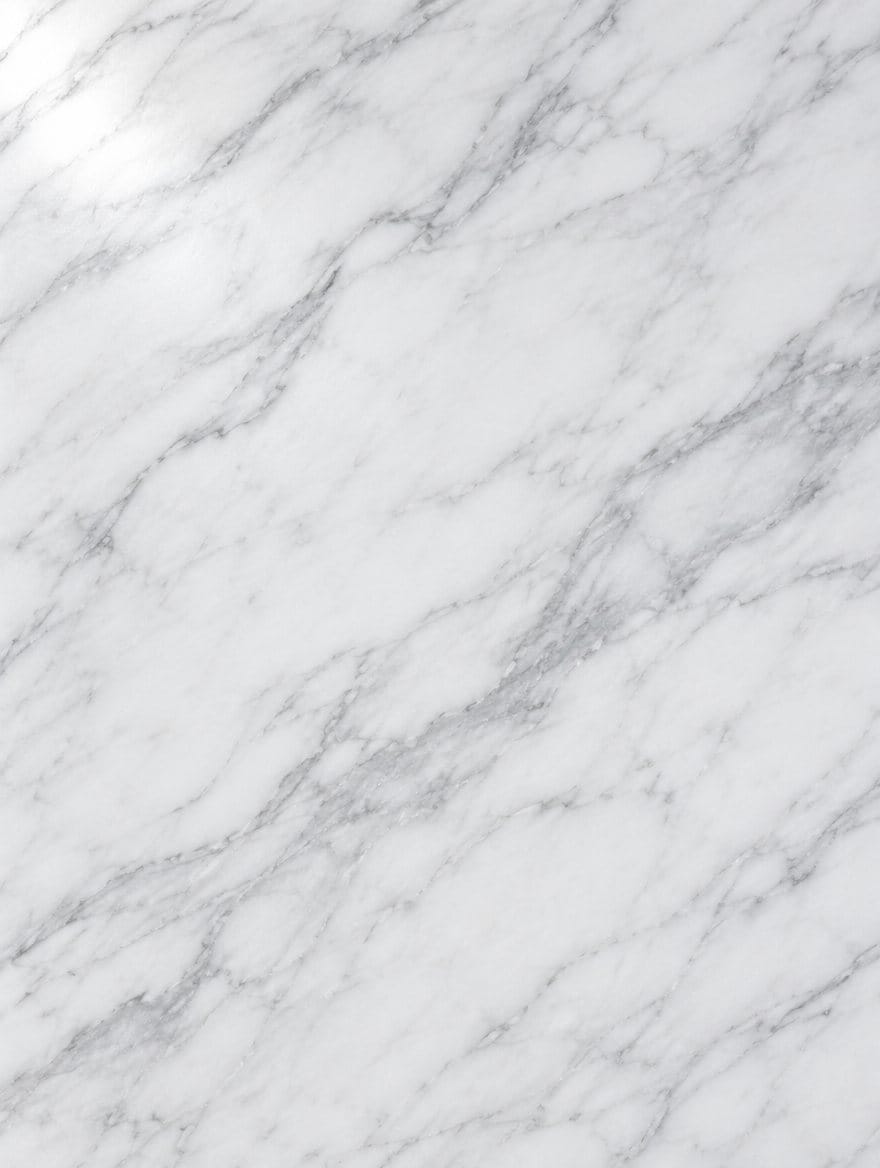
Marble slabs
Our marble slabs change often and aren’t listed online yet — ask us what’s in the yard.
Marble at a glance
- Natural metamorphic stone, so every slab and its veining are different
- Softer than granite or quartzite; scratches more easily
- Acids like lemon juice, vinegar and wine leave dull etch marks
- Porous, so it needs regular sealing to resist stains
- Honed finishes hide etching better than polished ones
What marble is
Marble is a metamorphic rock that forms when limestone is transformed by heat and pressure. It is made mostly of calcite, the mineral behind both marble's soft glow and its weak points: calcite is relatively soft, and it reacts with acids. Carrara, Calacatta and Statuario from Italy are the best-known names, but marble is quarried in many countries.
Look and range
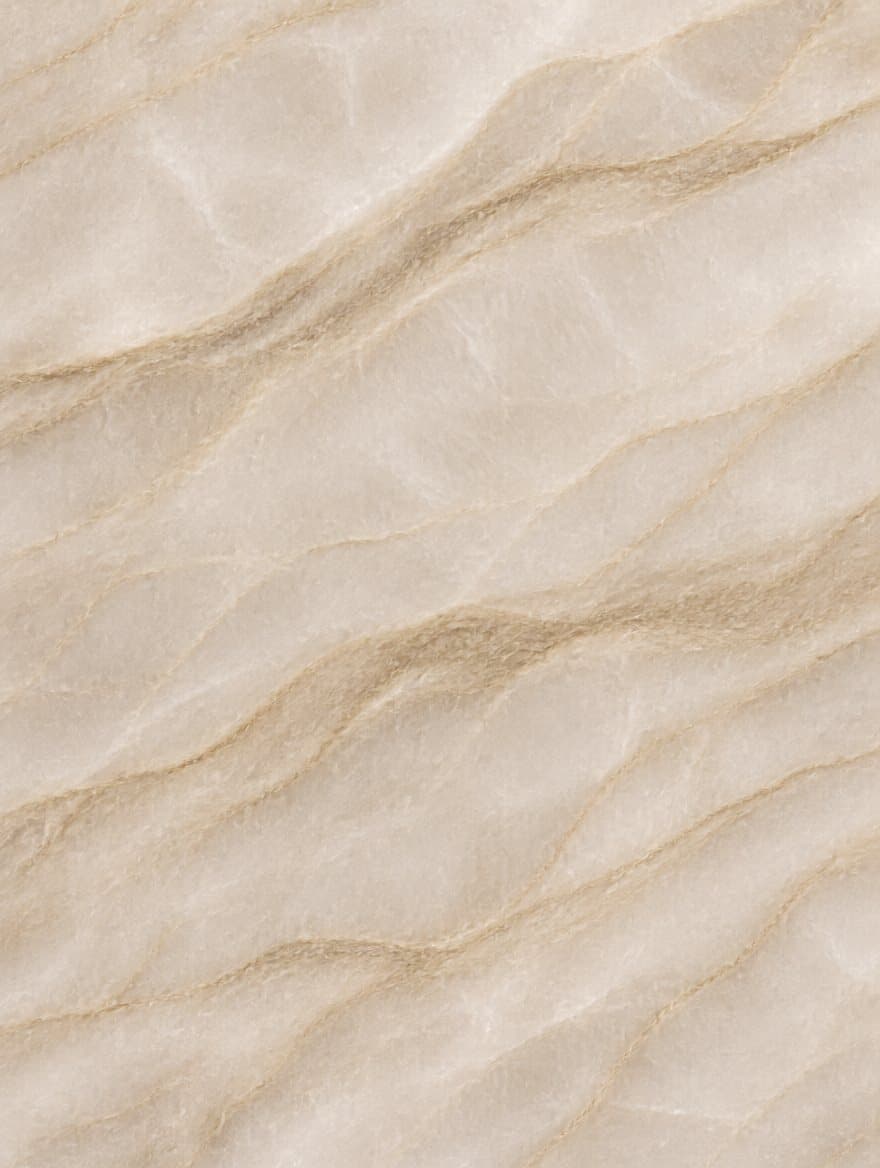
White marbles with gray or gold veining get most of the attention. Carrara has soft, feathery gray veins; Calacatta has bolder veining on a brighter white. Marble also comes in cream, beige, brown, green and black, often with white veining.
The finish changes both the look and how marble lives day to day:
- Polished: glossy and reflective, with the deepest color. Etch marks show as dull spots in the shine.
- Honed: matte and smooth. Etching blends in far better, which is why many people choose honed marble for kitchens.
- Leathered or brushed: a soft texture that hides wear and fingerprints.
How marble performs: an honest look
Marble asks more of its owner than any other countertop material we fabricate, and it is better to know that before you buy.
- Etching: acids such as lemon juice, vinegar, wine, tomato sauce and some cleaners react with the calcite and leave dull marks. Sealing does not prevent etching; it only slows staining.
- Stains: marble is porous. Sealed, it resists spills long enough for you to wipe them up, but oil, coffee and red wine left sitting can stain.
- Scratches: it is softer than granite or quartzite, so knives and dragged cookware can scratch it.
- Heat: marble tolerates warm dishes, but a hot pan can mark or crack it. Use trivets.
Over time, etches and light scratches soften into a worn patina, the look of old European kitchens and bakeries. If that appeals to you, marble is a rewarding choice. If you want a top that keeps looking new, consider quartzite or a marble-look quartz.
Care and maintenance
- Wipe acidic spills right away, and use coasters under glasses and trivets under hot pans.
- Clean with a pH-neutral stone cleaner or mild soap and water. Avoid vinegar, lemon-based and abrasive cleaners.
- Reseal on a regular schedule. Use the water test: if a few drops darken the stone within a few minutes, it is time.
- Etch marks can often be reduced by a stone restoration professional. Light etching on honed marble is easier to blend than on polished.
Where marble works best
Marble fits bathroom vanities, powder rooms, fireplace surrounds, bars and baking stations; bakers have long favored its cool surface for rolling dough. In kitchens, it suits owners who accept patina and like how it develops.
It is a poor choice outdoors, where rain and weather wear it down, and in kitchens where any mark would bother you. For a hard-wearing natural stone in a busy kitchen, look at granite or quartzite instead.
Choosing your marble slab with us
With marble, the veining is the point, and no two slabs share it. Start in the slab explorer filtered to marble. Then see the full slab before it is cut, decide where the strongest veins should land on your island or backsplash, and choose your finish.
Our own fabricators template, cut and install the slab you approve, so the veining you picked is the veining you get. Request a countertop estimate or book a showroom visit in Tysons, Manassas or Front Royal.
Marble countertop questions
Something we did not cover? Call (540) 305-0431 or send us the details.
Will sealing stop marble from etching?
No. Sealer slows staining by limiting how fast liquids soak in, but etching is a chemical reaction between acid and the calcite in marble, and sealer does not stop it. Lemon juice, vinegar, wine, tomato sauce and some cleaners can leave dull marks within minutes. Honed finishes hide etching far better than polished ones, and many owners come to accept it as patina.
How often does marble need to be sealed?
Marble is porous, so plan on regular sealing, usually more often than granite or quartzite. Rather than a fixed calendar, use the water test: leave a few drops on the surface, and if the stone darkens within a few minutes, it is time to reseal. A kitchen counter generally needs it more often than a vanity top or a fireplace surround.
Is marble a good choice for a kitchen?
It can be, if you know what you are signing up for. Marble will etch, can stain if spills sit, and scratches more easily than granite or quartzite. Owners who love it treat those marks as patina. If you want a kitchen top that stays looking new with little effort, quartzite or a marble-look quartz is a better fit; marble shines in baths, bars and baking areas.
Honed or polished marble: which is better for a kitchen?
For most kitchens, honed. Etch marks show as dull spots on a polished surface but blend into a matte honed finish. Honed marble can take on stains a little more readily, so sealing and quick cleanup still matter. Polished marble has more depth and shine and suits vanities, fireplace surrounds and lower-use areas where acidic spills are less common.
What is the difference between marble and quartzite?
Both are natural metamorphic stones and can look alike, which is why they are often compared. Marble forms from limestone and is mostly calcite, so it is softer and etches with acids. Quartzite forms from sandstone and is mostly quartz, so it is much harder and resists etching. Some stones sold as quartzite are closer to marble or dolomite, so test a sample if it matters.
What affects the cost of marble countertops?
The marble itself varies the most: widely quarried whites and creams cost less than rare, heavily veined stones such as top-grade Calacatta. Then come the number of slabs your layout needs, thickness, the edge profile, cutouts, vein-matching or bookmatching, and extras such as a full-height backsplash. Because the range is so wide, a quote built from your actual layout is the only reliable number.