Quartzite Countertops
Natural quartzite gives you a marble-like look with more resistance to scratches and heat. Every slab is different, so you pick yours before our own fabricators cut it.
Or call (540) 305-0431
Quartzite slabs
Our quartzite slabs change often and aren’t listed online yet — ask us what’s in the yard.
Quartzite at a glance
- Natural metamorphic stone, so every slab is different
- Typically harder than granite and resistant to everyday scratches
- Handles heat and sunlight well; trivets are still recommended
- Porosity varies by stone, so plan on periodic sealing
- Not the same material as engineered quartz
What quartzite is
Quartzite is a natural stone. It starts as quartz-rich sandstone, and heat and pressure deep underground fuse the grains into a dense rock made mostly of quartz. Slabs are quarried, cut and finished. There is no factory-made pattern, so every slab is different.
Despite the similar name, quartzite is not the same as quartz countertops, which are engineered from ground quartz and resin. If you want factory-consistent color and no sealing at all, compare it with quartz countertops.
Not every "quartzite" is quartzite
Some stones sold under quartzite names are closer to dolomite or marble. They can look identical on display but behave differently at home: softer, and prone to etching from lemon juice or vinegar. A true quartzite scratches glass and does not etch. Before you commit, ask to test a sample or offcut of the stone you like.
Look and range
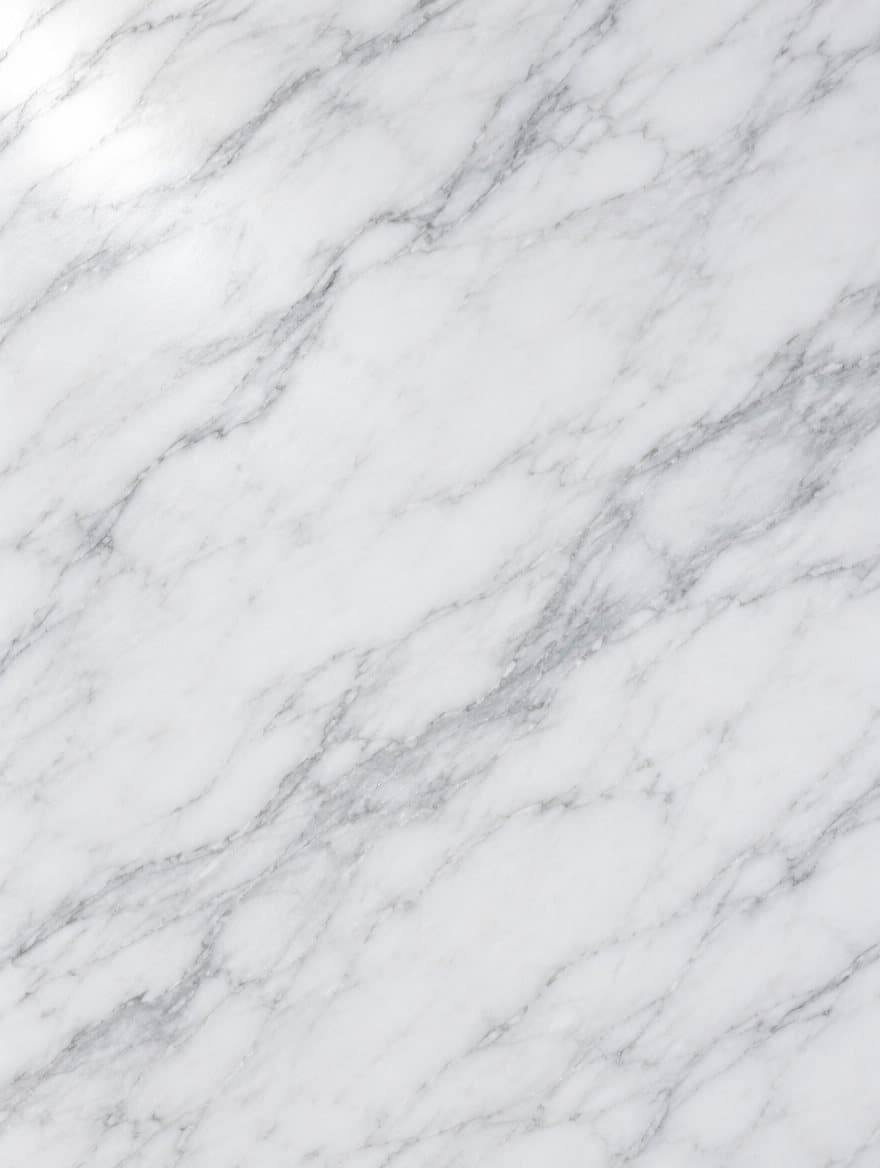
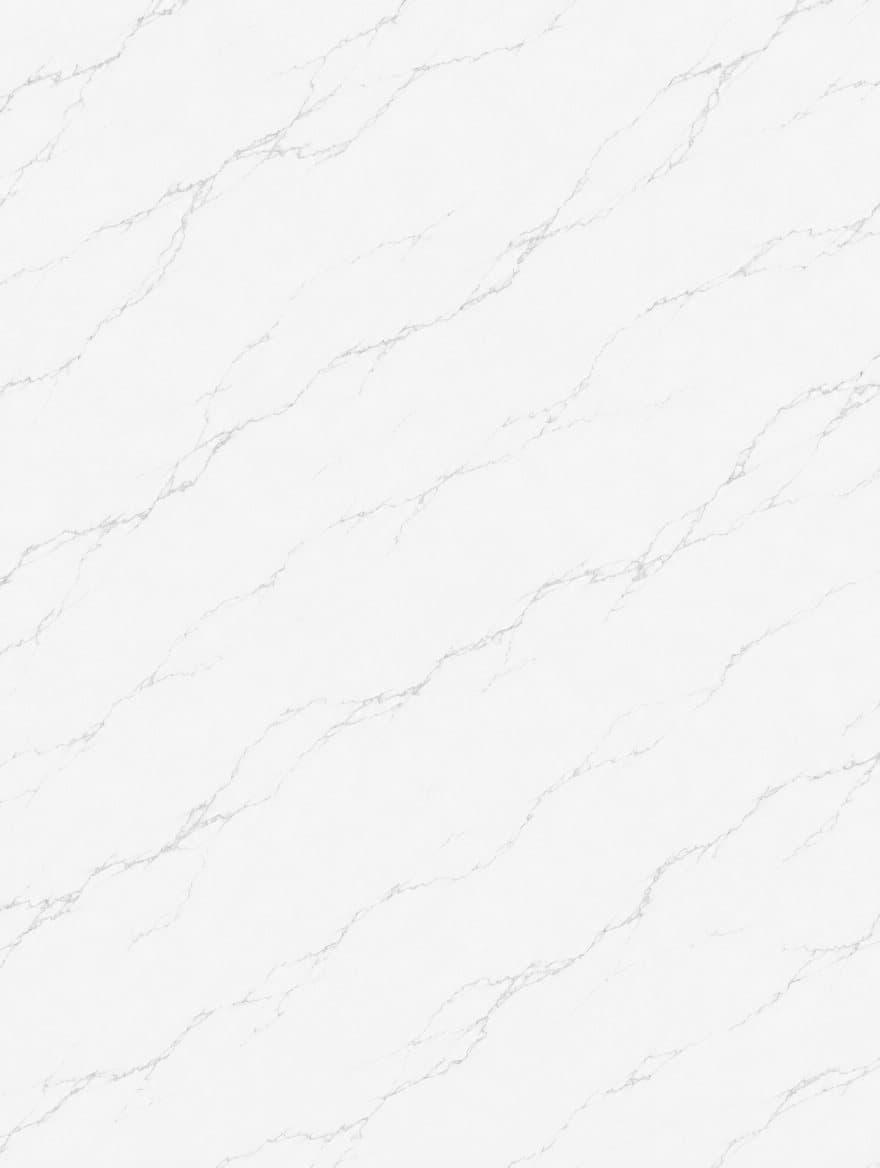
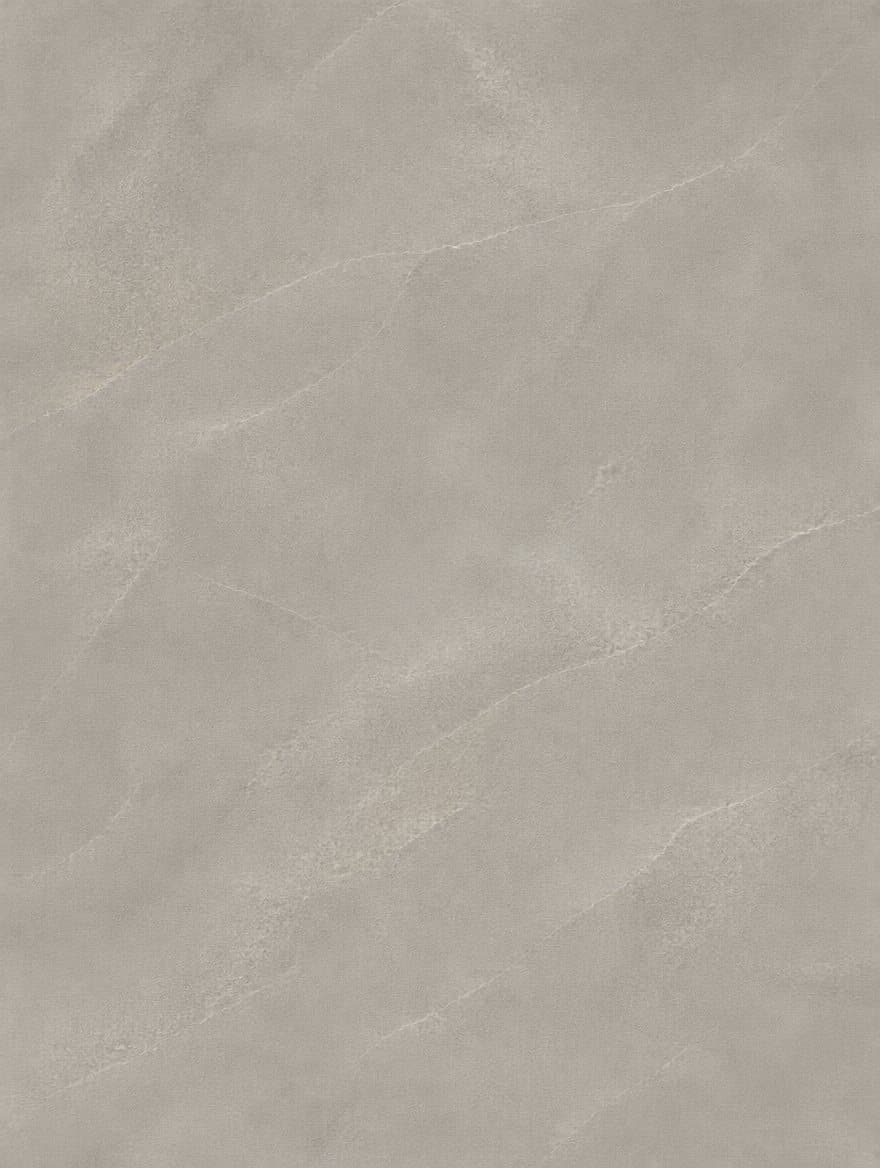
Quartzite is the stone many people turn to when they want a marble look with more durability. Backgrounds range from bright white and soft gray to taupe, gold, green and blue, with veining that can be quiet or bold. Taj Mahal, a warm cream quartzite with soft taupe and gold veining, is one of the best-known names.
Common finishes:
- Polished: glossy, deepens the color and shows the veining clearly.
- Honed: matte and smooth to the touch.
- Leathered: a textured surface that hides fingerprints and water spots well.
For islands and waterfall ends, consecutive slabs cut from the same block can sometimes be bookmatched, so the veining mirrors across a seam.
How quartzite performs
- Scratches: typically harder than granite, so it handles most kitchen wear. It will dull knives, so use a board.
- Heat: natural stone tolerates warm cookware far better than resin-based surfaces. Use trivets anyway; sudden heat can stress any slab and mark the sealer.
- Stains: porosity varies widely from stone to stone. A sealed slab resists most spills, but wipe up oil, wine and coffee promptly.
- Etching: true quartzite resists acids. Dolomite-type stones do not, which is another reason to test first.
- Chipping: edges and corners can chip on a hard knock. A slightly eased or rounded edge holds up better than a sharp square one.
- Sunlight: quartzite is UV stable, so it will not fade near windows or outdoors.
Care and maintenance
Clean with warm water, mild soap or a pH-neutral stone cleaner, and a soft cloth. Skip vinegar, bleach and abrasive pads; they wear down the sealer.
To check whether it is time to reseal, leave a few drops of water on the surface. If the stone darkens within a few minutes, it is absorbing and needs a fresh coat. Some dense quartzites rarely need it; more porous ones need it more often.
Where quartzite works best
Quartzite fits busy kitchens where you want natural veining, statement islands, waterfall ends, full-height backsplashes cut from the same slab, bathroom vanities and outdoor kitchens.
It is a weaker fit if you want perfectly uniform color across a large kitchen, or if budget is the deciding factor, since it tends to cost more than granite or most quartz. If a softer stone with a lived-in patina appeals to you, read about marble countertops; for a hard-wearing stone with more color choices, see granite.
Choosing your quartzite slab with us
Because no two slabs match, choose the actual slab, not a photo. Quartzite slabs come and go quickly and are not listed online yet, so book a showroom visit and ask what is in the yard, or tell us the look you are after.
Once you approve the slab, our own fabricators template, cut and install it. Quartzite is hard on tooling and needs patient cutting, and keeping that work in our own shop means the slab you picked is the slab that goes in. Request a countertop estimate or book a showroom visit in Tysons, Manassas or Front Royal.
Quartzite countertop questions
Something we did not cover? Call (540) 305-0431 or send us the details.
What is the difference between quartzite and quartz?
Quartzite is a natural stone quarried in slabs; quartz countertops are engineered from ground quartz, resin and pigments. Quartzite has one-of-a-kind veining, tolerates heat and sunlight well, and needs periodic sealing. Quartz has consistent factory color and never needs sealing, but its resin is sensitive to hot pans and strong sun. Both resist everyday scratches.
Does quartzite need to be sealed?
Yes, in most cases. Porosity varies a lot between quartzites: some dense stones barely absorb water, while others soak it up quickly. A sealer slows absorption so you have time to wipe up oil, wine and coffee. Use the water test to judge timing: if a few drops darken the stone within a few minutes, it is time to reseal.
Is quartzite more durable than granite?
For scratch resistance, true quartzite is typically harder than granite, and both handle heat well. Stain resistance depends more on the individual stone than on the category, since porosity varies within both. The edges of either can chip under a hard knock. In practice both are durable kitchen surfaces, and the bigger decision is usually the look you want and the specific slab.
Can quartzite etch?
True quartzite resists etching from kitchen acids like lemon juice and vinegar. The catch is that some stones sold as quartzite are closer to dolomite or marble, and those can etch. A true quartzite also scratches glass. If the stone's behavior matters to you, test a sample or offcut with a drop of lemon juice and a piece of glass before committing to the slab.
Why does quartzite often cost more than granite?
Popular quartzites, especially the white and marble-like ones, are scarcer than common granites. Quartzite is also harder to fabricate: it is tough on cutting tools and slower to cut and finish. On top of the stone itself, the usual factors apply, including how many slabs your layout needs, the edge profile, cutouts, and extras such as waterfall ends or a full-height backsplash.
Can quartzite be used in an outdoor kitchen?
Generally yes. True quartzite is UV stable, so it will not fade in the sun, and its density helps it stand up to weather. Seal it before use and keep up with resealing, since outdoor tops see rain, pollen and grease. Northern Virginia winters bring freeze-thaw cycles, so a dense slab with solid support and water that drains off the surface both matter.